
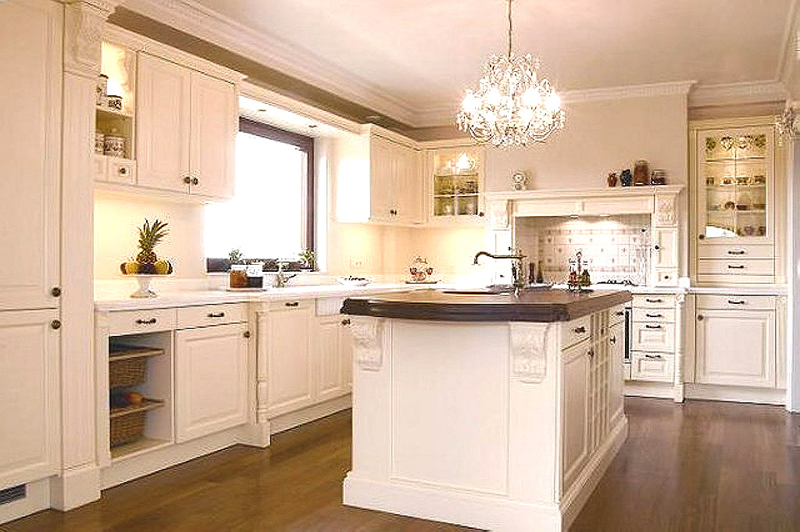
Kitchen flooring has a demanding job. It has to stand up to dropped utensils, food spills, splashes from the sink, heavy foot traffic and plenty of time spent standing. At the same time, the floor plays a big role in the overall look of the room.
If you’re planning a kitchen renovation, choosing flooring shouldn’t just be all about appearance. Durability, water resistance, maintenance, comfort and budget all count too.
A Boston kitchen remodeler can help you choose flooring that works with your cabinetry, countertops, layout and the way you use your kitchen.
What Should You Look For in Kitchen Flooring?
Before comparing materials, think about what your kitchen floor will encounter every day. A busy family kitchen may have very different needs from a kitchen used primarily by one or two adults.
Some of the most important considerations include:
- Water and spill resistance
- Resistance to scratches, dents and stains
- Ease of cleaning
- Comfort when standing for long periods
- Durability in high-traffic areas
- Installation requirements
- Cost
- How well the flooring coordinates with adjoining rooms
There isn’t one flooring material that’s right for every kitchen. The best choice depends on which of these factors matters most in your home.
Luxury Vinyl Flooring
Luxury vinyl tile (LVT) and luxury vinyl plank (LVP) have become popular kitchen choices because they combine practicality with a wide range of design options. Many products can recreate the appearance of wood or stone without some of the maintenance concerns associated with the real materials.
Vinyl is relatively comfortable underfoot, easy to clean and available at a variety of price points. Depending on the specific product, it can also offer excellent resistance to everyday spills and moisture.
For households with children, pets or a lot of kitchen traffic, vinyl is a durable choice.
Engineered Hardwood
Love the warmth of a wood floor? Engineered hardwood may provide a good middle ground.
Unlike solid hardwood, engineered wood is constructed in layers, which generally makes it more dimensionally stable when indoor temperature and humidity change. That can make it a practical option for homeowners who want real wood in the kitchen.
It still requires care, however. Spills shouldn’t be left sitting on the floor, and the amount of water resistance varies by product and finish.
Porcelain and Ceramic Tile
Tile has long been a kitchen staple for good reason. Ceramic and porcelain flooring are durable, easy to clean and well suited to areas where spills are inevitable.
There are also countless choices in size, shape, pattern and appearance. Tile can mimic everything from natural stone to hardwood.
That being said, tile is hard underfoot. If you spend hours cooking or entertaining in the kitchen, you may find it less comfortable than vinyl or wood. Dropped glasses and dishes also have a greater chance of breaking.
Natural Stone
Natural stone can lend a distinctive, high-end appearance to your kitchen. Granite, slate, marble and other stone materials each have their own characteristics.
Stone can be extremely durable, but maintenance requirements vary. Some natural stone is porous and may require sealing to help protect against staining and moisture. Professional installation is generally recommended because of the weight and installation requirements.
What About Laminate?
Today’s laminate flooring has come a long way in appearance and durability. It can provide the look of hardwood at a lower price and is relatively easy to maintain.
The important thing is to check the specifications of the particular flooring you’re considering. Water resistance varies considerably among laminate products. Traditional laminate can be damaged if water reaches its core, while newer water-resistant or waterproof products are designed to provide greater protection.
Can You Put Hardwood Flooring in a Kitchen?
Yes, but it’s important to understand the tradeoffs.
Solid hardwood gives a kitchen warmth and character and can create a seamless transition when hardwood is used throughout adjoining living areas. However, wood and standing water aren’t a great combination. Leaks and spills need to be addressed promptly, and changes in humidity can cause natural wood to expand and contract.
For homeowners who love the look of wood but are concerned about the kitchen environment, engineered hardwood or wood-look luxury vinyl may be best.
Think of the Big Picture
One advantage of selecting flooring as part of a complete kitchen remodel is that you can see how all the finishes work together.
Flooring should complement the cabinets and countertops without competing with them. You’ll also want to consider transitions into nearby dining rooms, hallways and living spaces. In an open-concept home, those transitions can have a major impact on how cohesive the finished space feels.
Pay attention to installation timing, too. Your Boston contractor will determine where flooring fits into the remodeling schedule and how the chosen material affects cabinetry, appliances, transitions and finished floor heights.
Contact AD Construction
Planning a new kitchen? AD Construction can help you look at the entire space, from layout and cabinetry to finishes and flooring, so the finished kitchen works as well as it looks. Get a free quote and consultation from our Boston kitchen remodelers when you contact us or call 877-345-BUILD.
